How 5G Technology Works

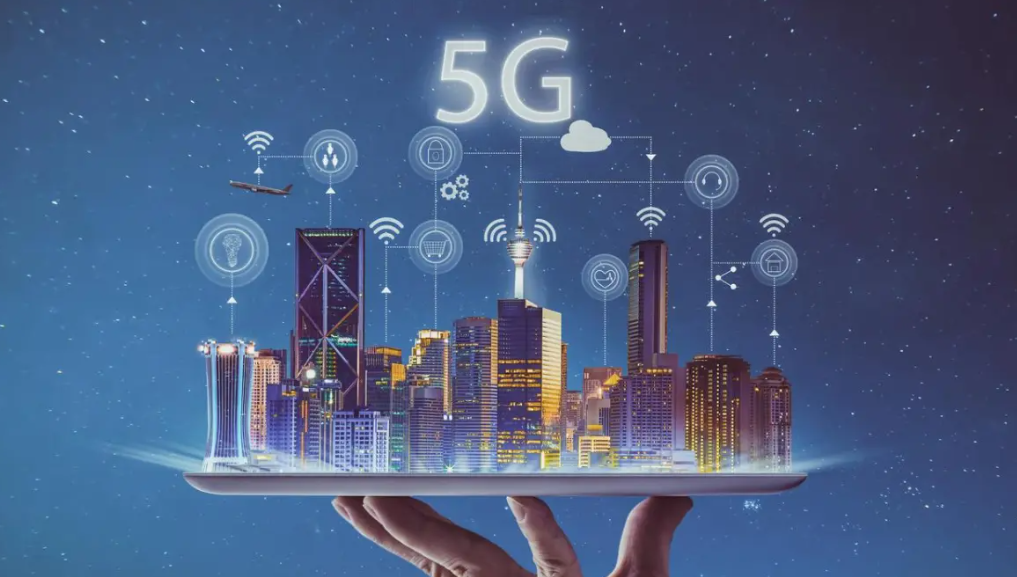
5G technology operates through a complex framework of frequency bands, including millimeter waves. It utilizes small cells to enhance signal strength and incorporates massive MIMO technology for increased capacity. Beamforming techniques further optimize coverage, enabling a higher number of simultaneous connections. This innovative architecture not only supports diverse applications but also raises questions about its broader implications. Understanding these components is essential to grasping the transformative potential of 5G in modern society.
The Basics of 5G Technology
As telecommunications technology evolves, 5G represents a significant advancement over its predecessors, offering enhanced capabilities and greater efficiency.
Central to this evolution is the utilization of the 5G spectrum, which encompasses a broader range of frequencies, including millimeter waves.
These high-frequency waves enable faster data transmission, lower latency, and increased capacity, thereby facilitating a more interconnected and responsive digital environment for users seeking greater autonomy.
See also: robertturf
Key Components of 5G Networks
5G networks are built upon several key components that facilitate their advanced functionalities.
Central to this architecture are diverse frequency bands, enabling higher data rates and reduced latency.
Additionally, the network architecture incorporates small cells, massive MIMO technology, and beamforming techniques, all of which optimize signal strength and coverage.
These elements collectively enhance the overall efficiency and flexibility of 5G networks, promoting user autonomy.
How 5G Enhances Connectivity
While traditional networks often struggle with congestion and slow response times, 5G technology significantly enhances connectivity through its ability to support a larger number of devices simultaneously.
This capability results in increased network speed and substantial latency reduction, facilitating seamless communication across diverse applications.
As a result, users experience improved performance, enabling a more efficient and liberated digital environment conducive to innovation and connectivity.
The Future Impact of 5G on Society
Although the full implications of 5G technology remain to be seen, its potential to transform various aspects of society is significant.
Enhanced social connectivity may facilitate unprecedented collaboration, fostering innovation. Additionally, increased bandwidth and lower latency can drive economic growth, creating new markets and opportunities.
As reliance on digital infrastructure intensifies, 5G could reshape social interactions and economic frameworks, promoting a more interconnected world.
Conclusion
In conclusion, 5G technology serves as a digital catalyst, igniting a transformative wave that reshapes connectivity. With its intricate architecture of frequency bands, small cells, and massive MIMO, it forges a robust framework for unprecedented communication capabilities. As society stands on the precipice of this new era, the ripple effects of enhanced speed and capacity will permeate various sectors, from healthcare to entertainment, creating a tapestry of innovation that intertwines everyday life with the limitless potential of an interconnected future.