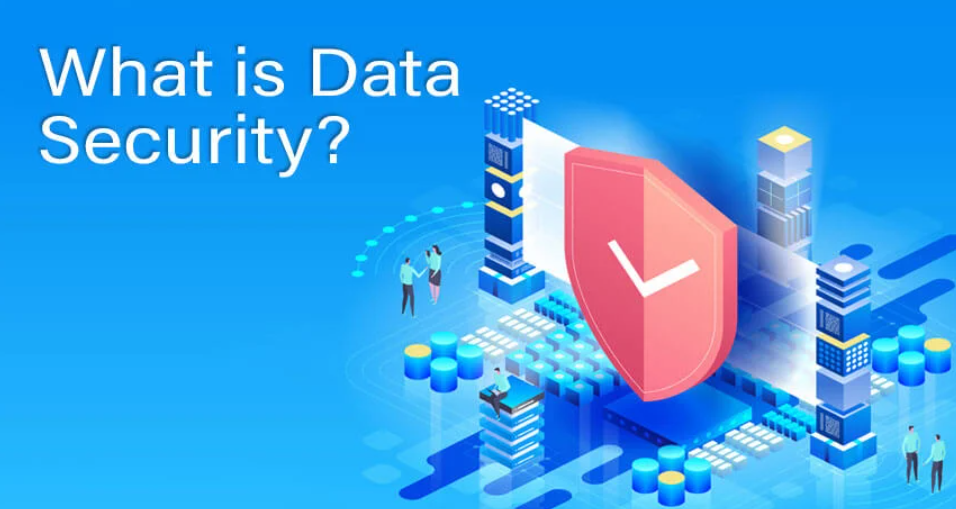
Data Protection Technologies Explained

Data protection technologies are essential in today’s digital landscape. They encompass various methods to safeguard sensitive information from unauthorized access. Key elements include encryption, firewalls, and advanced threat detection. Each component plays a crucial role in forming a comprehensive security strategy. Understanding how these technologies interconnect is vital for effective data management. However, the complexities of their implementation raise critical questions about their efficacy and adaptability in an evolving threat environment.
Understanding Encryption and Its Role in Data Protection
Encryption serves as a fundamental pillar in the realm of data protection, safeguarding sensitive information from unauthorized access.
Symmetric encryption utilizes a single key for both encryption and decryption, ensuring efficiency in data processing.
Conversely, asymmetric encryption employs a pair of keys, enhancing security by allowing public sharing while maintaining confidentiality.
Both methods are essential in empowering individuals to protect their digital freedom.
The Importance of Firewalls in Securing Networks
As organizations implement encryption to protect sensitive data, the role of firewalls in securing networks becomes increasingly significant.
Various firewall types, including software and hardware solutions, serve to filter traffic and block unauthorized access.
Additionally, employing network segmentation enhances security by isolating sensitive data zones, thus minimizing potential attack vectors and reinforcing the overall integrity of an organization’s digital infrastructure.
Advanced Threat Detection Technologies
While traditional security measures provide a foundational defense against cyber threats, advanced threat detection technologies have emerged as essential components in modern cybersecurity strategies.
These technologies utilize behavioral analysis and anomaly detection to identify unusual patterns that signify potential security breaches.
Data Loss Prevention Strategies and Tools
A comprehensive approach to data loss prevention (DLP) is crucial for organizations aiming to safeguard sensitive information from unauthorized access or accidental exposure.
Effective DLP strategies employ data classification methods to identify and categorize data, ensuring proper handling.
Additionally, robust endpoint protection solutions mitigate risks by monitoring and controlling data transfers, thereby enhancing overall data security and maintaining organizational integrity in an increasingly digital landscape.
Conclusion
In the intricate tapestry of data protection, each thread—encryption, firewalls, advanced threat detection, and Data Loss Prevention—intertwines to create a resilient shield against the tempest of cyber threats. These technologies form a fortress, safeguarding sensitive information with unwavering vigilance. As the digital landscape continues to evolve, the adoption and refinement of these strategies will be paramount, ensuring that the sanctity of data remains intact amidst the ever-looming shadows of potential breaches.